How to Transform in Pixel Z
Turn T into a round-swing decision—not a panic button—by managing ki and confirm timing.
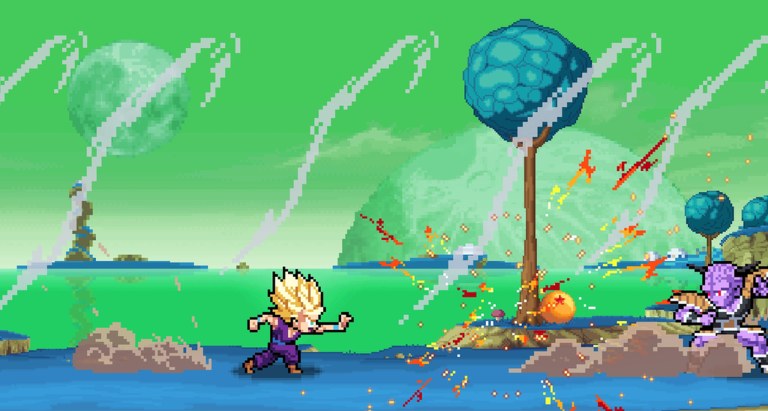
Transforms are the fantasy spike inside Pixel Z: press T, spend ki, and change your pressure, damage, or mobility mid-fight. Done well, a transform carry belongs in S tier on the Tier List. Done poorly, you donate the resource that would have fueled a special, ultimate, or defensive option—and you still lose the round.
This guide focuses on decision-making. Exact ki thresholds can shift after skins updates, so always verify your fighter in Pause → List of Movements and a quick CPU test.
The transform button and prerequisites
- Default key: T (see Controls).
- Resource: ki built with H and conserved from earlier spends (J / K / some extensions).
- Context: transforms are strongest after you already won an exchange or forced a knockdown—not while you are eating a rushdown string.
If T does nothing, you likely lack ki, are in a hard knockdown/hitstun state, or your fighter’s transform is locked behind a condition listed in the movement menu.
When to transform (good reasons)
- You confirmed a hit and the convert in base form is ending—transform extends or repositions for more damage (Combos).
- You need a mode shift—base kit lost neutral to a zoner; transformed tools contest space better.
- Life totals favor a swing—both players low; your transform damage or armor-style tools close faster.
- You banked ki intentionally during a respectful gap instead of panic-charging point blank.
- Rematch adaptation—opponent proved they can beat base form; show the second form with a practiced route.
When not to transform
- On wakeup without a read—many players anti-air or meaty the obvious T.
- The moment you hit 30% life with zero plan.
- While the opponent is already mid-combo on you (inputs may buffer uselessly).
- As a style flex when you still need ki for a round-winning ultimate.
- Every single round “because the character has a form.” Some rounds are base-form rounds.
Ki cost thinking
Treat ki as a budget with three line items: specials, ultimate, transform. Before pressing T, ask what you are giving up. A transform that wins the round is cheap at any cost. A transform that looks cool and then leaves you unable to special on the next opening is expensive.
Practical heuristic for climbing (ELO Ranked):
- Early round: prefer banking; transform only on a clean convert.
- Mid round: transform if it flips neutral or seals a touch of death path you labbed.
- Late round: transform or ultimate—pick one primary spend unless your kit explicitly chains both.
Mid-fight timing checklist
- Confirm hit or hard knockdown.
- Glance at ki (enough for T and a follow-up?).
- Press T during the window your lab showed is safe.
- Immediately continue with the transformed BnB, not random mash.
- If the transform whiffs or gets stuffed, reset to defense—do not double-spend in panic.
Lab this checklist on CPU until steps 3–4 are automatic. Online delay makes unpracticed transform links drop first.
Beast / Gohan-style community lessons
Showcase clips—such as Beast-style Gohan combo videos—teach principles even when your unlocked fighter differs:
- Form change is a convert tool, not only an idle flex animation.
- Damage spikes after the transformation land—the preceding confirm still matters.
- Viewers remember the swing; ranked opponents remember if you telegraph T every time you have meter.
Steal the structure: confirm → transform → short stable ender. Leave the pixel-perfect one-frame routes for later. Map the idea onto your all-rounder from Best Starters before copying a specialist.
Training routine (20 minutes)
| Minute | Drill |
|---|---|
| 0–5 | Charge H safely, note how long a full bar takes vs your fighter |
| 5–10 | Confirm U-I into T on CPU (no ender yet) |
| 10–15 | Add a transformed special ender from the movement list |
| 15–20 | Alternate rounds: base-only vs transform-allowed |
End by writing one sentence: “I transform when ___.” If the blank is “I feel like it,” keep drilling.
Matchup notes by archetype
- Vs rushdown: transforming into a stronger anti-air or armor tool can stop endless dash-ins—time it after you blocked a string, not during.
- Vs zoner: sometimes transform is the only way to gain approach tools; sometimes it is a bait. Lab both.
- Vs grappler: do not transform into their command grab range without a plan.
- Vs fellow transform carry: track who spent first; the second form often wins the resource war.
Patches and verification
Skins updates may alter ki costs, transform invulnerability, or cancel windows. After each Updates entry that mentions combat:
- Open List of Movements.
- Re-run the 20-minute routine.
- Adjust your ranked spend rule.
Do not trust last week’s muscle memory blindly—especially if you also experiment with toggles documented on Scripts. Auto Transform removes the decision skill this guide exists to build.
Tie-ins
Return to Combos for confirm quality, Tier List for which kits reward transform mastery, and Getting Started if you still need the day-one path. Transformation is the highlight moment of Pixel Z; earn it with ki discipline and a practiced follow-up, every time.
Frequently Asked Questions
Quick answers for Pixel Z players.
What key transforms in Pixel Z?
T on the default PC keyboard layout. Mobile and controller players should bind the same Transform action consistently.
Why won’t my transform activate?
Usually insufficient ki, wrong fighter state, or a character-specific condition. Check Pause → List of Movements and try after a clean CPU confirm.
Should I transform at the start of every round?
Rarely. Early blind transforms telegraph your plan and can waste ki you need for specials or ultimates.
Do showcase Beast combos work on every fighter?
No. Use them as timing lessons—confirm, then form change, then a short ender—on whatever fighter you unlocked.
Is Auto Transform a good way to learn?
No. It skips the judgment calls that win ELO. Learn manual timing; treat script autos as high-risk curiosities only.